








Robotic Peening Breakthroughs That Are Transforming Surface Treatment Today
Introduction
Robotic peening is shaking up the surface treatment game—and I’m here for it. Gone are the days of guesswork, operator fatigue, and inconsistent coverage. We’re entering an era where robots don’t just replace hands; they perfect the art. And honestly? That’s exciting. Imagine something as rugged as shot peening getting a sleek robotic makeover that delivers surgical precision. You see, when machines learn to master the science of stress manipulation, durability becomes an engineered guarantee, not a hopeful outcome. Let’s dig into why robotic peening isn’t just a trend—it’s the standard every high‑performance industry didn’t know it was waiting for.
Understanding the basics of robotic peening and how it differs from traditional methods
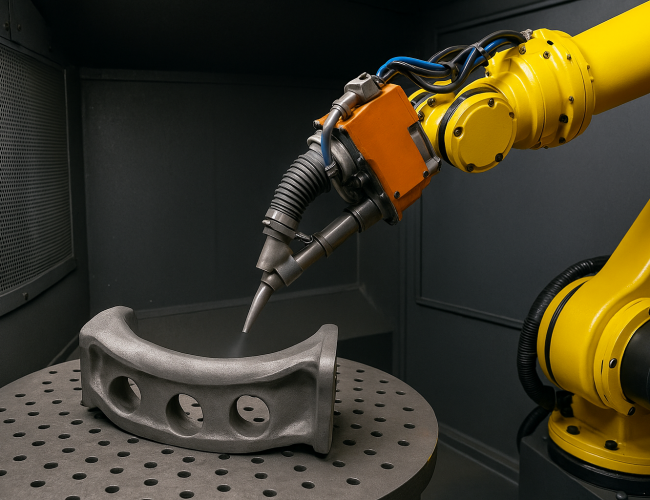
Robotic peening redefines the traditional shot peening approach by integrating programmable robots in place of manual or semi‑automated machines. In conventional methods, an operator controls the nozzle or wheel to bombard a component with abrasive media—relying on experience and repetitive motion. With robotic peening, the robot arm’s path, speed, angle, and peening intensity are pre‑programmed, ensuring uniform coverage and repeatable performance.
This marks a huge leap. Traditional peening often suffers from human‑induced variability—different operators, fatigue, even a small misalignment can throw off the optimal coverage. Robotic systems eliminate those variables. They follow precise toolpaths with millimeter accuracy, apply the same force consistently, and avoid sloppy coverage zones that lead to under‑ or over‑peening.
Another difference lies in control and documentation. Many robotic peening systems integrate process monitoring sensors and closed‑loop feedback. That means real‑time tracking of variables like air pressure, peening intensity, and coverage rate—logging them for quality assurance. Traditional systems often lack such traceability, making certification harder in regulated industries.
The rise of automation in surface finishing and why robotic peening is leading the way
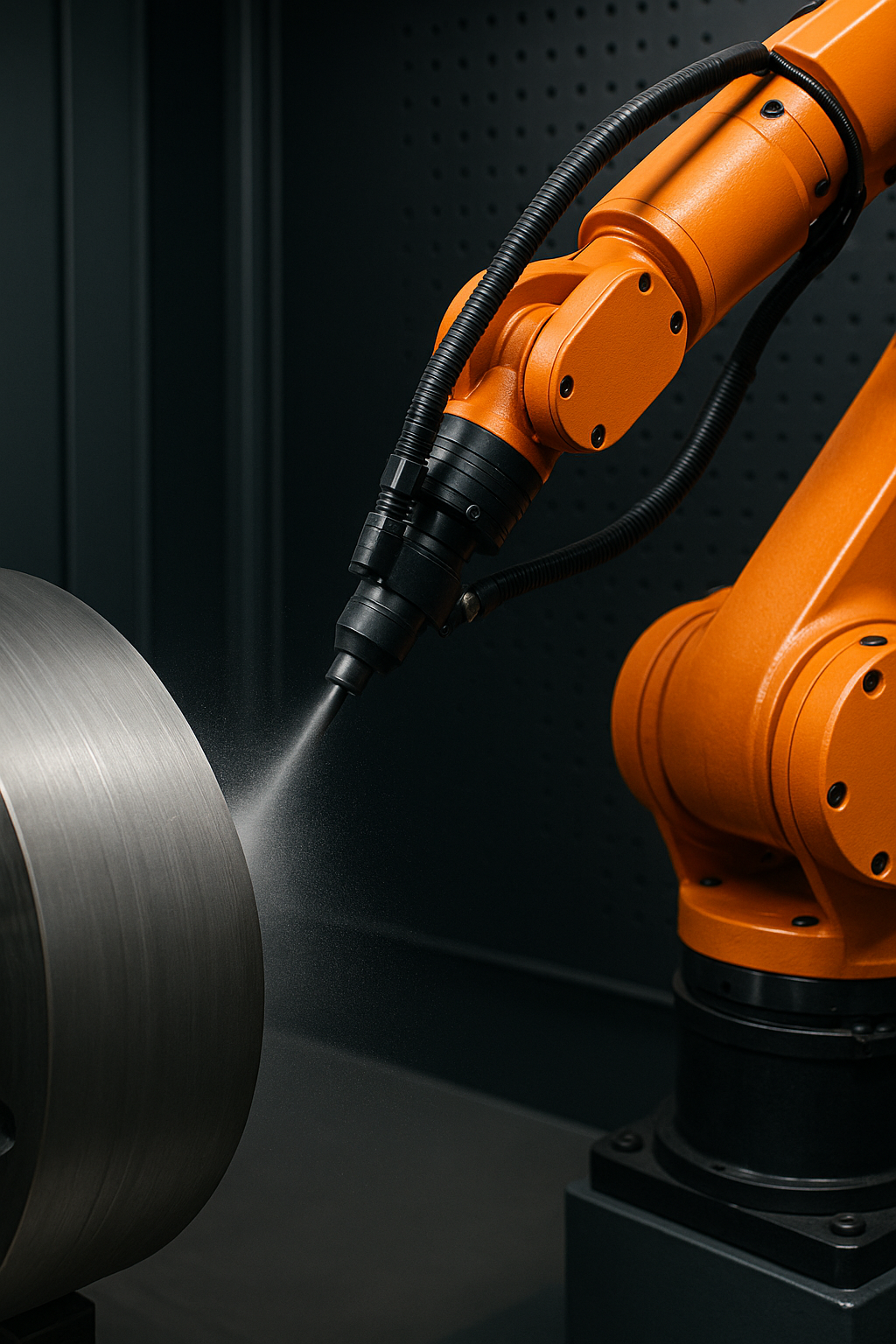
Automation is sweeping across surface finishing—from deburring and polishing to coating. But peening is unique: it actively alters material properties, not just appearance. That’s why robotic peening is at the forefront. Industries like aerospace and automotive demand high‑reliability components with verified fatigue resistance. Robotic systems address that demand by reducing variability and cementing process traceability.
Industry 4.0 has set a new bar. Manufacturers want interconnected systems that feed data into MES (Manufacturing Execution Systems) and perform predictive maintenance. Robotic peening aligns perfectly—it can record data, trigger alerts if parameters drift, and integrate into fully automated production lines. That’s a major draw for OEMs looking to digitize operations.
Also, workforce dynamics play a role. Skilled labor is in short supply, and repetitive tasks like standing over a blast cabinet are no longer acceptable long‑term roles. Automation frees up personnel to focus on higher‑value tasks like inspection, analysis, and process improvement. Robotic peening not only meets quality demands—it improves job satisfaction and safety.
Core components and working principles of a robotic peening system
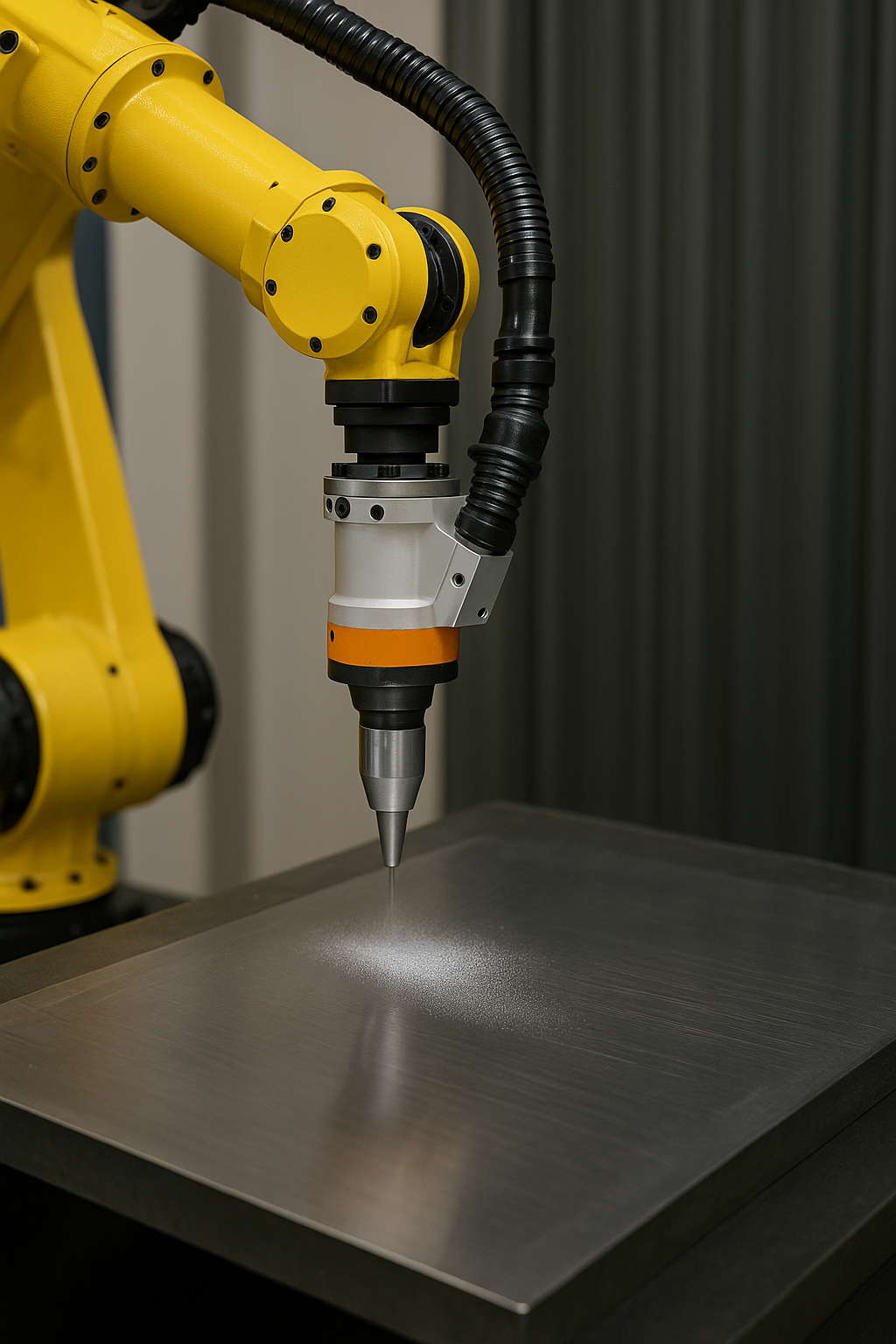
A typical robotic peening cell includes several key parts: the industrial robot arm, the peening gun (typically air‑blasted or wheel‑type), media delivery and recovery systems, safety enclosures, and control software. The robot arm positions the gun at programmed angles and velocities. The media system handles abrasive shot or beads, replenishing the supply and recycling spent media.
Under the hood, the software defines toolpaths based on the component’s CAD model. Parameters like standoff distance, peening intensity (Almen intensity or arc height), coverage percentage, and pass count can all be tuned. The robot executes moves with high fidelity—this level of control is impossible with manual methods.
Closed‑loop monitoring is critical. Sensors track peening intensity (via devices like in‑line Almen sensors), air pressure, and flow rate. If variations occur, the system automatically adjusts or flags the run. This self‑governing feedback ensures every part meets specs, critical in aerospace or safety‑critical industries.
Benefits of robotic peening in aerospace, automotive, and heavy machinery industries
Aerospace components like landing gear struts, turbine blades, and fasteners gain immense benefit from consistent fatigue strength. Robotic peening ensures every critical feature gets the same depth and coverage—eliminating weak links. Reduced scrap rates, fewer fatigue failures in service, and better lifecycle data all follow.
In automotive, shot‑peened parts like crankshafts, gears, and suspension components see longer lives and higher performance under stress. Robotic peening boosts repeatability, enabling OEMs to claim tighter warranties and lower maintenance costs. Especially for EV drivetrains, where weight and stress margins are tighter than ever, every psi of compressive surface stress counts.
Heavy machinery and oil & gas equipment get similar benefits. Hydraulic cylinders, shafts, and tubular steel suffer from cyclic loading and environmental exposure. Robotic peening can be applied even in retrofit cells, boosting structural integrity and preventing premature failure in field components. This translates to lower downtime and replacement expenses.
How robotic peening enhances fatigue resistance and component longevity
Fatigue starts at the surface—tiny cracks grow under cyclic loading. Shot peening embeds compressive residual stress that opposes crack initiation. Robotic peening ensures the required stress depth (often 0.3 mm or more) and uniformity across every edge, bore, and face. That consistency increases lifespan by up to 300% in some test cases.
Let’s get specific: test samples peened robotically vs manually often show a higher Almen arc height—indicating deeper residual stress—and nearly identical coverage across repeated runs. That means a part isn’t only stronger—it won’t surprise you by popping when you least expect it.
Moreover, inconsistencies in manual peening can create hotspots of tensile stress—opposite to what we want. Robotic peening eliminates these anomalies. When every pass is identical, you avoid fatigue cracks caused by process errors. That’s reliability—which industries can quantify in MTBF (Mean Time Between Failure) figures.
Case studies and real-world data proving robotic peening performance
In one aerospace OEM study, robotic peened landing‑gear bolts outperformed manually peened samples in full fatigue testing—enduring 1.8 × longer before crack initiation. That meant fewer replacements, less downtime, and a bump in airworthiness margins.
An automotive supplier replaced manual peening on transmission gears with robotic cells. They reduced scrap by 45%, improved consistency by ±5%, and increased line throughput 25%—all while reducing labor hours by 30%.
A heavy‑industry retrofit project integrated a robotic cell to peen large hydraulic pistons. The result? A 2× increase in fatigue life and a 20% reduction in on‑site rework. Operators reported a safer, cleaner work area—and management logged solid ROI in under 18 months.
Challenges and limitations of implementing robotic peening in industrial settings
Robotic peening isn’t plug‑and‑play. Programming toolpaths and tuning parameters requires expertise—both robotics and materials science know‑how are needed. That steepens the learning curve compared to manual peening.
Space and infrastructure can be hurdles. These cells need enclosures, ventilation, media-reclamation systems, and safety interlocks. Smaller shops may struggle to carve out a peening bay, and retrofits can require concrete pads and compressed‑air upgrades.
Finally, ROI analysis must account for upfront costs. Robot stations can range from US $150K to $500K+ depending on arm complexity, cell size, automation level, and monitoring systems. For small‑batch shops, the cost must be justified by improved yield, quality, or throughput.
Key considerations for selecting a robotic peening solution for your application
First, define peening intensity requirements. Do you need moderate coverage or high‑intensity peening with deep compressive stress (~.010–.020″ arc heights)? That determines the air volume, nozzle selection, and housing.
Next, size and geometry matter. Large shafts vs small precision parts will affect robot arm reach, payload capacity, and cell design. Partnering with integrators who can prototype the robot toolpath on sample parts is crucial.
Don’t forget monitoring features. Systems with real‑time intensity measurement and coverage verification help your audit trail and certification if you’re in regulated industries. Software integration—like link to MES or Industry 4.0 dashboards—is also a big plus.
Emerging trends: AI integration, adaptive algorithms, and real-time feedback in robotic peening
Nowadays, peening robots are getting smarter. AI‑driven adaptive peening systems analyze sensor data mid‑cycle and adjust parameters to hit the perfect intensity. That means even worn nozzles or changing media size won’t compromise the process.
Machine‑learning can predict when abrasive media needs replenishment or when tool wear is nearing thresholds. Maintenance becomes predictive—not just scheduled. That improves uptime and prevents surprise failures.
Real‑time vision systems, too, can inspect coverage in situ. Combined with sensor data, robots can validate complete coverage before toolpath ends—triggering an automatic new pass or flagging parts if they don’t meet criteria.
Future outlook: How robotic peening is shaping the next generation of manufacturing
Robotic peening is poised to expand beyond heavy machinery into more niche applications—medical implants, 3D‑printed aerospace parts, even consumer electronics shells with stress‑relief requirements. As cell costs drop and competence spreads, adoption will grow.
Integration with digital twins means peening parameters will be simulated before real‑world runs. That minimizes trial time and ensures first‑pass success. The robot becomes part of a fully digital production ecosystem.
Eventually, every manufacturing line handling metal components may include a peening station—automated, integrated, monitored. Surface stress control isn’t a niche add‑on anymore—it’s a standard quality requirement. Robotic peening is leading that transformation.
Conclusion
Robotic peening isn’t just the next phase in surface treatment—it’s the precision revolution manufacturers didn’t realize they needed until now. We’ve unpacked how this technology outperforms traditional methods, boosts fatigue life, drives consistency, and plugs seamlessly into automated production lines. From aerospace to automotive and beyond, the data is clear: robotic peening delivers smarter, safer, and stronger outcomes.
As industries chase tighter tolerances and longer-lasting parts, the question isn’t if robotic peening fits into your workflow—it’s when. So, whether you’re a plant manager looking to boost efficiency or a curious engineer chasing that extra edge in durability, now’s the time to start the conversation.
Got thoughts on where robotic peening is heading? Leave a comment below or share this post with someone who’s ready to automate smarter.

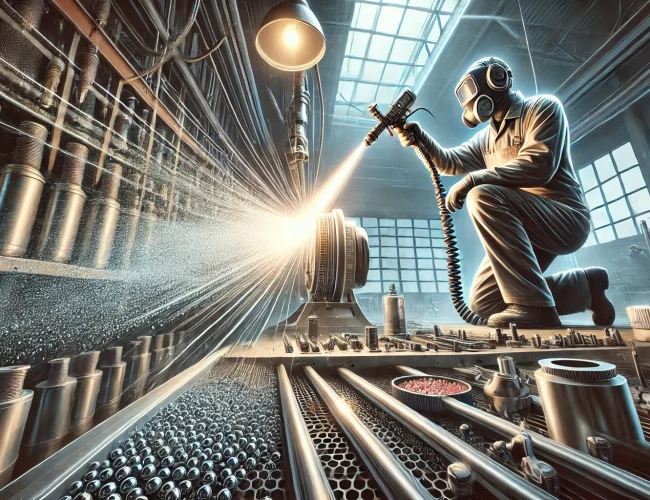
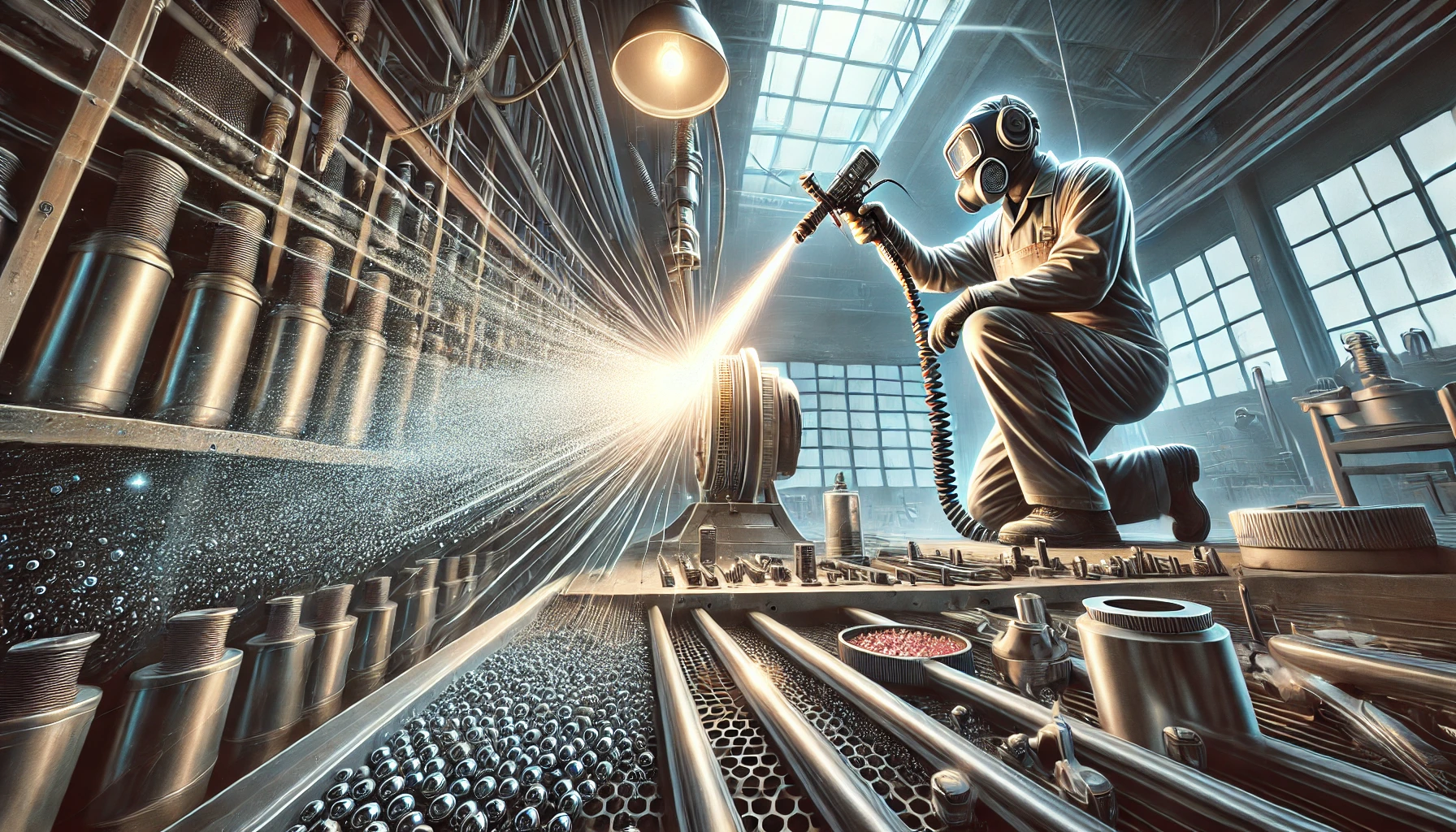 This method is widely used across industries such as automotive, aerospace, and general manufacturing, where it plays a crucial role in removing contaminants like rust, old paint, and debris, while ensuring the base material remains undamaged.


 English
  French